 BookBee AI


AI novel generator: plan and write a novel from one idea
An AI novel generator, also called an AI novel writer or AI novelist, plans and drafts a novel from a short idea. BookBee builds a story bible and a chapter plan you approve, then writes and checks each chapter and adds a cover and a print-ready PDF. The free plan writes one short book of 5 chapters; full-length novels and EPUB come with paid plans.
By Aimbelo · Updated · 19 min read
- words aimed for in every chapter
- 2,000+
- on every chapter, as it is written
- 6 checks
- words in a full-length novel, with paid plans from $8 a month
- 80,000+
- romance, mystery, thriller, fantasy, sci-fi
- 5 genres
- print-ready PDF; EPUB on paid plans
- 6 × 9 in
- up to 5 chapters, no card
- Free
- first novels, genre fiction and KDP authors
- Best for
Quick answers
- Is the AI novel generator free?
- Yes. The free plan plans and writes one short book of up to 5 chapters, each aiming for 2,000+ words, with a story bible, a cover and a print-ready PDF (the free PDF carries a small BookBee mark). No card needed. Paid plans from $8 a month write full-length novels of 80,000+ words.
- Can AI write an entire novel?
- Yes, when it writes from a plan. BookBee writes one chapter at a time from an outline you approved. Each chapter receives the story bible, what earlier chapters established and the closing lines of the previous chapter, then goes through 6 checks before the next one begins. Anything still wrong is marked “Please check”.
- How long should a novel be?
- Most novels run 80,000–100,000 words; fantasy and science fiction often reach 115,000. The minimum to count as a novel is 40,000 words, roughly 135–160 printed pages. The table further down gives the usual length for each genre and how many BookBee chapters that means.
- Is it legal to write a novel with AI?
- Yes. No law stops you writing fiction with AI, and the novel BookBee drafts for you is yours to sell. What changes is the paperwork: Amazon KDP asks you to declare AI-generated text, and the US Copyright Office protects only the parts you write or meaningfully change, so editing the draft makes more of it yours.
Read sample novels
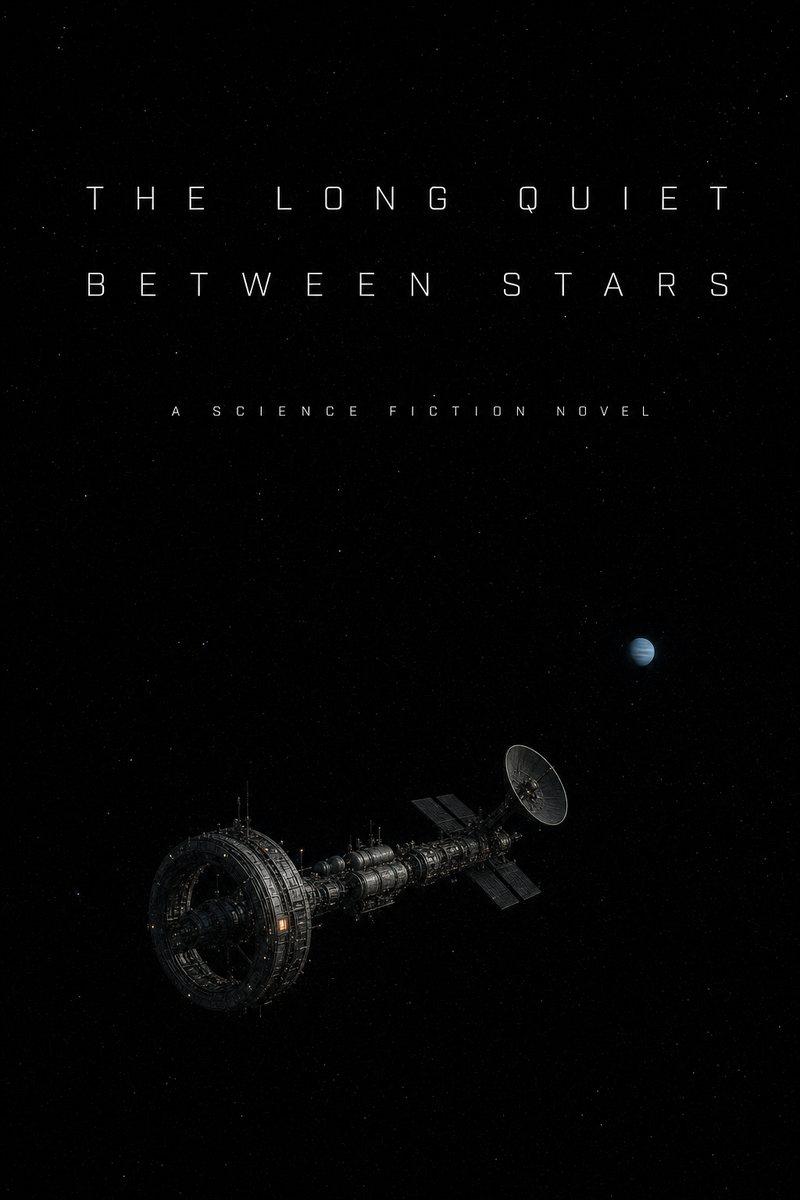
Five sample novels, one per genre, each with a cover, a chapter plan and a first chapter. They were written to show the kind of book BookBee makes, and their first chapters are shorter than the 2,000+ words the app aims for. Read one online or download the sample PDF.
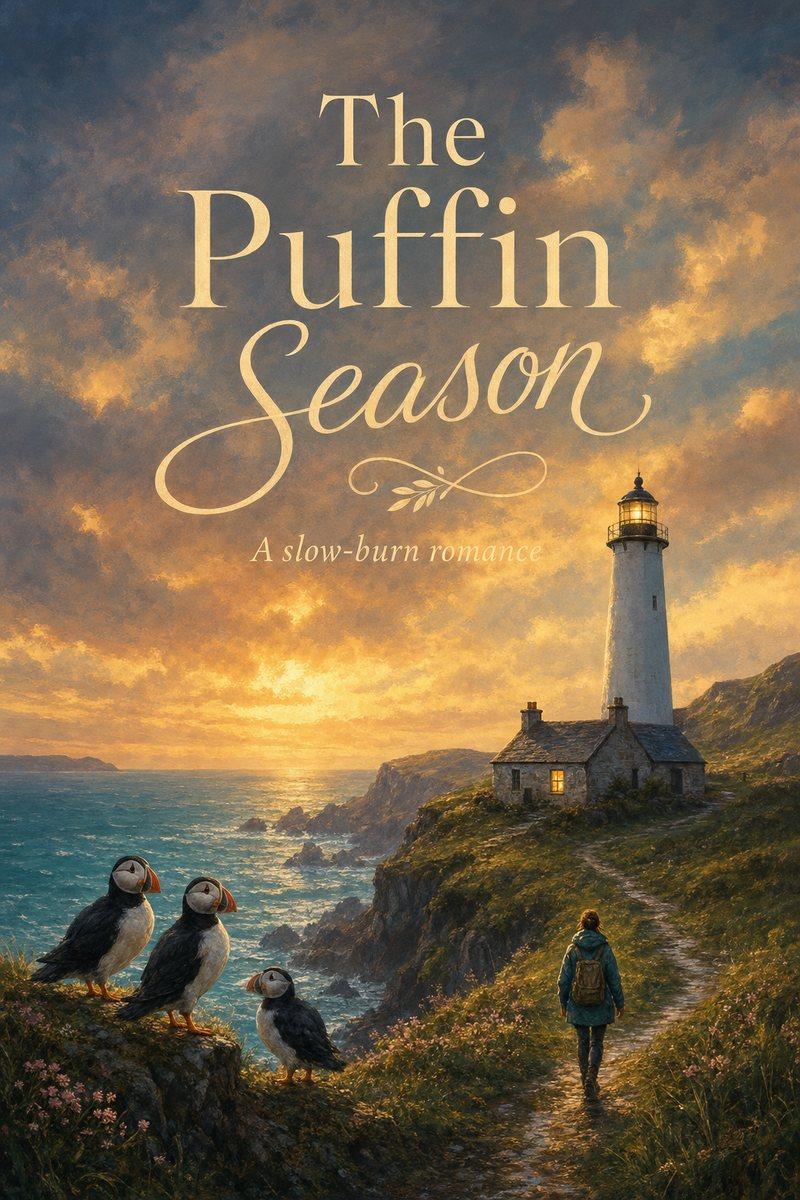
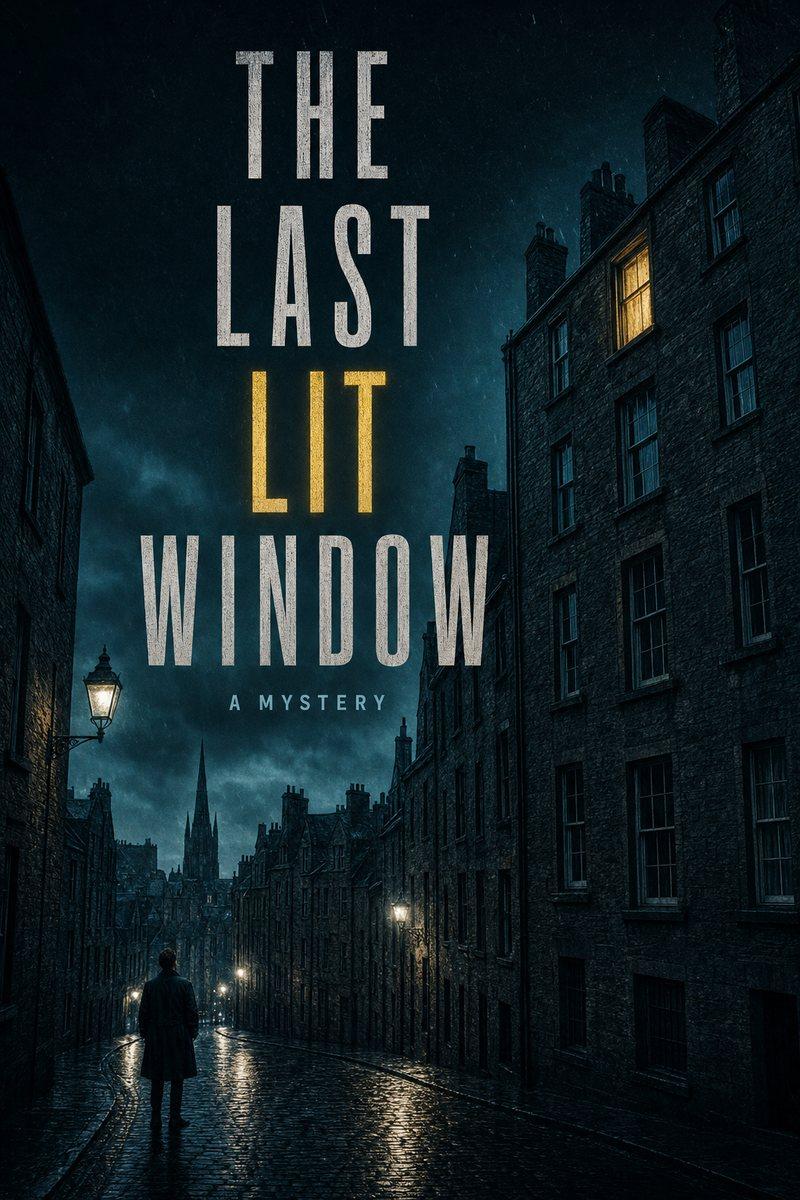
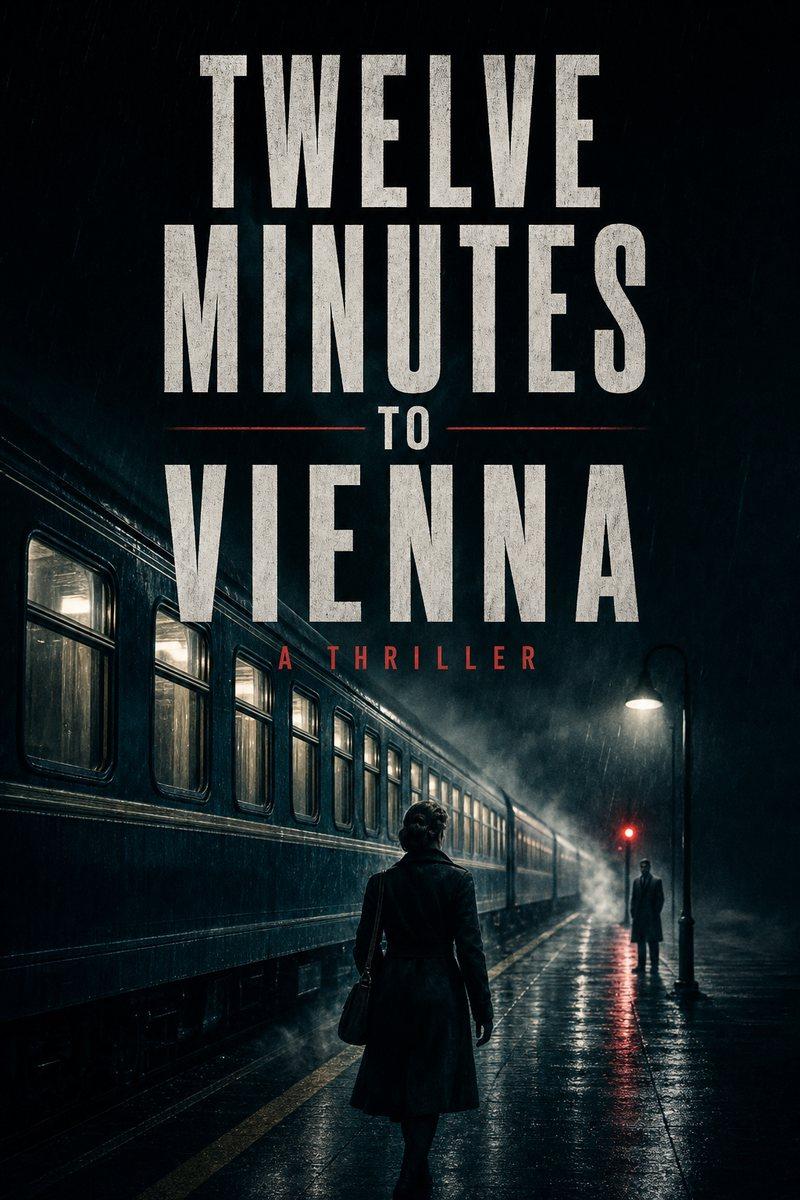
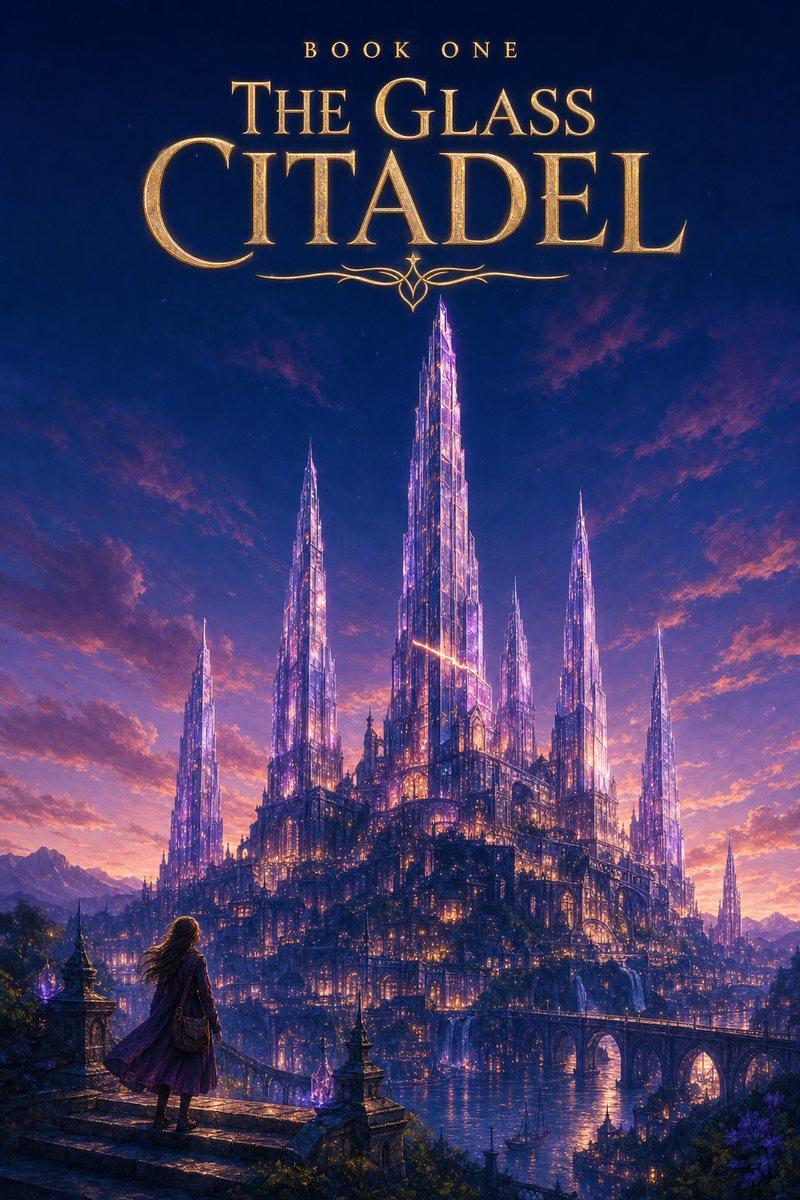
Why AI novels fall apart, and how BookBee keeps yours together
Most AI-written novels fail in the same four ways. Each one has a fix built into how BookBee plans and writes.
Characters change names and ages
In a long chat, the AI loses track of who is who. By chapter ten, Isla is called Alice and her brother is suddenly older.
How BookBee fixes it: Names, ages, places, point of view and spelling are saved once in the story bible and sent with every chapter; names and point of view are checked after each one is written.
The plot loses the thread
Without a plan, each chapter wanders. Clues are never paid off and new problems appear from nowhere.
How BookBee fixes it: You approve a chapter-by-chapter outline before any writing starts, and every chapter is checked against its outline beats.
Every chapter sounds the same
AI falls back on one flat voice and repeats its favourite phrases, so a novel reads like one chapter copied ten times.
How BookBee fixes it: Paste a page or two of your own writing and every chapter follows its rhythm, words and voice. Name 1–3 books it should feel like, list anything to keep out, and each chapter is checked for phrases it repeats and for stock AI phrases as it is written.
Chapters are too short to be a book
Ask for a chapter and you often get 600 words. That is a scene, not a novel chapter.
How BookBee fixes it: Every chapter aims for 2,000 words or more and is checked against its target length. Any that fall short are flagged.
How to write a novel with BookBee
Real BookBee screens from a test book: a five-chapter romance called “The Puffin Season”, written with live AI.
 1
Describe your novel and approve the plan
One sentence is enough. Pick the genre and length; add your writing style, books it should feel like or anything to keep out if you like. Then check the plan and edit the characters, rules and chapters before writing starts. Point of view, tense and spelling are set on the first screen.
 2
Read it chapter by chapter
Chapters appear as they are written, each checked for length, repeated phrases, names, point of view, outline beats and the story so far.
 3
Edit any line
Type over anything, or select a passage and ask BookBee to rewrite, expand or shorten it.
 4
Finish your book
Pick one of the ready covers and change its words, check the book, then download it in one go: a print-ready 6 × 9 in PDF with real page numbers in the contents and a PDF to share, plus an EPUB on paid plans.
Write any of these genres
BookBee starts with five of the most popular fiction genres. Each has its own cover styles and a sample novel you can read. Romance stays closed-door: BookBee does not write explicit scenes.
Romance
Slow burn, small town, second chance or enemies to lovers, with the relationship beats planned chapter by chapter.
Read the sample: The Puffin SeasonMystery
Clues planted early and paid off later, because every clue is in the outline before the first chapter is written.
Read the sample: The Last Lit WindowThriller
Short, tense chapters with a ticking clock, headed by place and time like the thrillers on the best-seller lists.
Read the sample: Twelve Minutes to ViennaFantasy
Magic rules, places and names saved in the story bible, so the world works the same way in chapter one and chapter thirty.
Read the sample: The Glass CitadelScience fiction
Ships, stations and science kept consistent, from quiet first-contact stories to space opera.
Read the sample: The Long Quiet Between StarsShort stories instead?
For one story at a time, try the free AI story generator, or write a whole collection with the AI book writer.
Who uses an AI novel generator?
People who have a story to tell and want a complete first draft, not a blank page.
First-time novelists
Turn the idea you have carried for years into a planned, chapter-by-chapter first draft you can shape.
Indie and KDP authors
Draft genre novels faster, with a cover and a print PDF for Amazon KDP, plus an EPUB for other stores on paid plans.
Novel-in-a-month writers
Take on a November-style challenge with an outline and chapters aiming for 2,000+ words.
Authors trying a new genre
Test a mystery or a fantasy idea with a planned 5-chapter book before committing months to it.
Novel ideas to start from
Pick “Use this idea” to put one in the box at the top of the page, then change the details to make it yours. Need a title too? The free book title generator suggests titles for your novel.
Cozy romance
Two people who should not get along, one small place they both refuse to leave.
Example idea: A marine biologist counting puffins on a Scottish island has to stay in the lighthouse of the man who blames her for the fishing ban.
Locked-room mystery
A question the reader can answer, if they notice the right detail.
Example idea: A locksmith opens a dead woman’s flat and finds that someone has kept her window lit every night since the funeral.
Countdown thriller
A deadline in the title and a stranger who knows too much.
Example idea: On a night train to Vienna, an interpreter picks up the wrong phone and reads a message meant for someone else.
Epic fantasy
A world with one clear rule and one person who breaks it.
Example idea: In a city where memories are kept in glass, an apprentice finds a crack in the oldest tower and hears her mother’s voice inside.
Quiet science fiction
One person, a lot of empty space and a signal that should not exist.
Example idea: Alone on a deep-space relay station, an engineer receives a message from empty sky, recorded in her own voice.
Second-chance romance
Old history, a reason to come home and a reason to leave again.
Example idea: A chef returns to the seaside café she left ten years ago and finds her first love has bought it.
Have a novel in your head?
Describe it in one line. BookBee plans the characters and chapters for you to approve, then writes chapter one.
What the free plan includes
Everything you need to see your novel take shape, without a card.
- One novel of up to 5 chapters
- A story bible and chapter outline you approve
- Chapters aiming for 2,000+ words
- 6 automatic checks on every chapter
- Edit any line, or rewrite with AI
- A cover and a 6 × 9 in PDF with a small BookBee mark
Paid plans from $8 a month add full-length novels, EPUB and no mark. See pricing.
How does BookBee keep a novel consistent across 30+ chapters?
By never writing a chapter from memory. Every chapter is written from the same saved plan, with the facts from earlier chapters and the end of the chapter before it, and is checked against that plan before the next chapter starts.
| Step | What BookBee does |
|---|---|
| Before writing | You approve the story bible (characters with what they want and fear, setting, point of view, tense and spelling) and a chapter-by-chapter outline. Genre facts, such as a mystery’s culprit or a fantasy’s magic rules, and your “Never change” rules are saved with it. |
| Sent with every chapter | The whole story bible and outline, this chapter’s events and beat, your writing sample and choices, a running list of facts from earlier chapters (who knows what, who is hurt, what was found) and about the last 1,000 words of the previous chapter, so it continues from the exact sentence. |
| Written in order | One chapter at a time, never in parallel. Chapters of 1,800 words or more are written in two planned parts, so they reach their full length. |
| Checked after every chapter | 6 checks: length; repeated and stock AI phrases; names against the story bible; point of view and tense; the events the outline asked for; and the “Never change” rules and story so far. |
| Fixed or flagged | A chapter that comes out short gets another part written. A failed check is fixed with small, exact edits (a missed outline event gets a short new passage), so the rest of the chapter stays as written, and the chapter is checked again. Anything still wrong is shown to you as “Please check”. The chapter’s new facts join the list for the next chapter. |
Can AI really write a whole novel?
It can write a complete first draft, with limits worth knowing. AI is strong at scenes, dialogue and description in a chosen genre and voice. On its own it is weak at holding a long story together: names drift, clues are never paid off and the same phrases come back. So the plan matters more than the model, and every chapter needs checking against it.
You still bring the parts that make a novel yours:
- The idea and the ending you want
- Approving the plan before writing starts
- Editing the draft, especially the opening and the ending
- Deciding what to publish under your name
How to write a novel with AI, step by step
The writers who get the best novels from AI treat it like a fast co-author with a plan, not a vending machine. This is the order that works, whichever tool you use:
- Write your idea as one sentence with a person, what they want and what stands in the way.
- Choose the genre and the length first, because they decide how many chapters you need and how each one is paced.
- Fix the main characters before any writing: names, ages, what they want, how they speak.
- Choose the point of view and tense once, for example third person past, and keep them for the whole book.
- Outline every chapter in two or three lines, including where each clue, twist and turning point lands.
- Write one chapter at a time, and read chapter one before going further. If the voice is wrong, fix it now.
- Check each chapter against the plan: names, length, point of view and what was meant to happen.
- Edit the draft yourself, starting with the first page and the last chapter, which readers judge the most.
- Add a cover and export files that meet your store's print and ebook specs.
What makes a good novel idea for an AI novel generator?
A good idea gives the AI a person, a want and a problem. “A fantasy novel about magic” gives it nothing to plan with, so you get a generic story. “A glass-maker’s apprentice who hears her dead mother’s voice inside a cracked tower, in a city where cracks are a crime” gives it a hero, a mystery and a danger, and the outline almost writes itself.
Add anything you already know: the ending, a setting you love, a twist you want to land. BookBee keeps every name and place you mention exactly as you wrote it, and fills in the rest for you to approve in the plan.
How long should a novel be? Word counts by genre
Most publishers ask for 80,000 to 100,000 words, and 100,000 to 115,000 for fantasy and science fiction. Books that sell on Amazon vary more: the Amazon Top 100 averages about 91,000 words in romance and in mystery and thriller, and 109,000 in fantasy (Kindlepreneur), while Reedsy’s medians are lower, from 71,300 words for science fiction to 87,100 for fantasy. Anything from 40,000 words counts as a novel; 17,500 to 39,999 words is a novella.
| Genre | What publishers ask for | Amazon Top 100 average | BookBee chapters |
|---|---|---|---|
| Romance | 80,000–100,000 (category lines 50,000–75,000) | 91,000 | 32–40 of about 2,500 words |
| Mystery and thriller | 80,000–100,000 | 91,000 | 40–50 of about 2,000 words |
| Fantasy | 100,000–115,000 (epic fantasy can pass 180,000) | 109,000 | 34–38 of about 3,000 words |
| Science fiction | 100,000–115,000 | 98,000 | 34–38 of about 3,000 words |
| Novella | 17,500–39,999 | — | 12–15 of about 2,000–3,000 words |
You may reuse this table with credit to BookBee AI (CC BY 4.0).
- Chapter length: most novel chapters run 2,000 to 4,000 words. Thrillers use shorter chapters, fantasy and literary fiction longer ones. BookBee aims for 2,000 words or more in every chapter. You pick a length when you start and can remove chapters in the plan; the sizes above are BookBee’s suggestions, not industry rules.
- Pages: at 250 to 300 words per printed 6 × 9 in page, 200 pages is about 50,000–60,000 words (enough to count as a novel), 300 pages is about 75,000–90,000 words, and an 80,000-word novel fills about 265–320 pages.
- Other genres, for reference: literary fiction 80,000–100,000 words (Amazon average 98,000), horror 70,000–100,000 (102,000), young adult 55,000–80,000, middle grade 20,000–55,000.
Novel writing software or a novel writing app: which do you need?
It depends on which part of the book you want help with. “Novel writing software” covers four kinds of novel writing tools: some organise the words you type, some turn a finished manuscript into a book, some help you write scene by scene, and an AI novel generator such as BookBee writes the whole draft from a plan you approve.
| Kind of tool | What it does | Best for | Examples and price |
|---|---|---|---|
| Organising software | Keeps chapters, notes and research in one project while you write every word | Writers who draft everything themselves | Scrivener: US$59.99 once for Mac or Windows, 30-day free trial |
| Formatting tools | Turn a finished manuscript into print and ebook files | Authors ready to publish | Atticus: US$147 once, works in a browser. Vellum: from US$199.99 once, Mac only |
| AI writing assistants | Suggest, expand and draft the scenes you ask for | Writers who want help on each scene | Sudowrite: from $10 a month. Novelcrafter: AI plans from $8 a month |
| AI novel generator | Plans the story with you, writes and checks every chapter, then makes the cover and PDF, plus an EPUB on paid plans | A complete, formatted first draft from one idea | BookBee: free plan for one short book of up to 5 chapters |
- Free novel writing programs: Manuskript is free and open source, with an outliner and notes for characters and plots, but you write every word yourself. BookBee’s free plan writes one complete short book of 5 chapters for you.
- App or website: BookBee runs in your web browser, so there is nothing to install. Atticus also works in a browser; Scrivener and Vellum are desktop programs, and Scrivener sells a separate iOS app.
- Many authors combine them: draft with an AI novel generator, edit the draft, and use a formatting tool only if they want a different book design. BookBee’s own PDF follows KDP’s specs without one, and paid plans add an EPUB.
AI novel generator, AI book writer or AI story generator?
All three are part of BookBee. Pick by what you want to finish:
- One long story in a genre, written in chapters of 2,000+ words from a story bible: the AI novel generator on this page.
- Short story collections as well as novels, with the same plan, checks, cover and files: the AI book writer.
- One short story to read now, free and without an account: the AI story generator.
- A how-to guide or non-fiction ebook to sell or give away: the AI ebook generator.
Covers and book files for your novel
Every novel gets a cover matched to its genre. When you finish your book, pick one of the ready covers (usually an AI painting made from your story, a photo and clean type) and change its words, or design it in full in the cover editor with BookBee’s title designs, photos, colours or your own picture. Changing the words, the layout or the photo is free at any time, unless the AI painted the title into the picture; a new AI painting uses your allowance (one per book on the free plan).
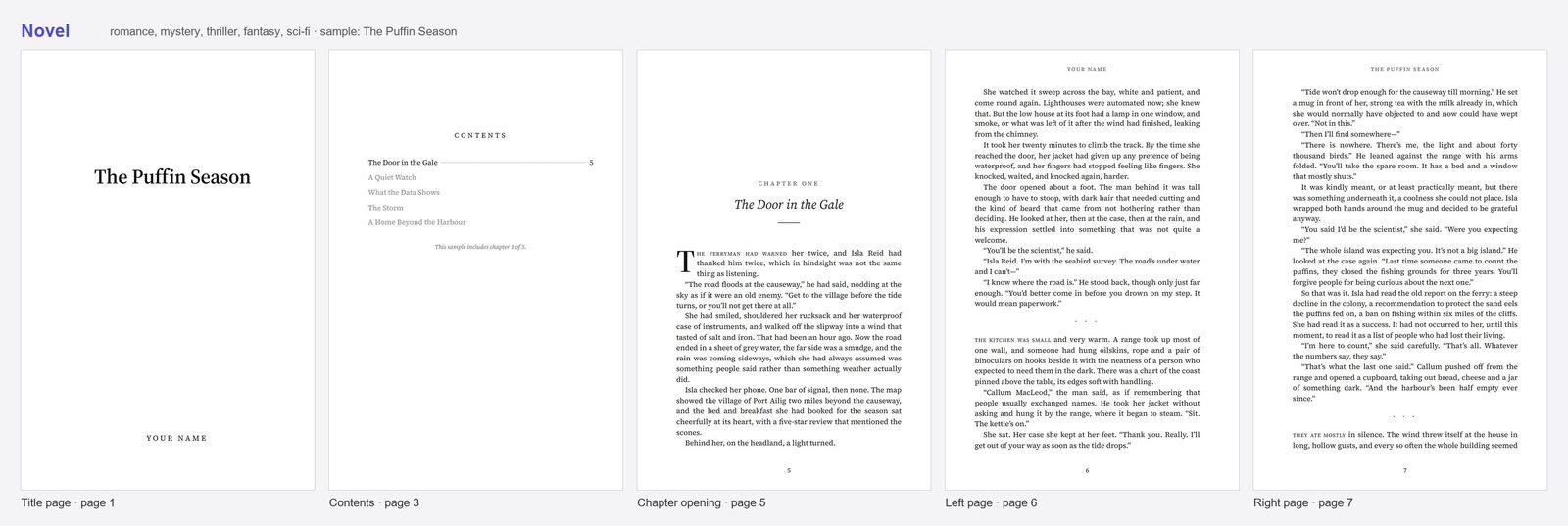
Inside, novels use BookBee’s Novel style: a 6 × 9 in page, chapter openings like a printed book, running headers and a contents page with real page numbers. Download it as a PDF for print and, on paid plans, as an EPUB for ebook stores. See the sample books for real pages.
Can you publish and sell an AI-written novel?
Yes. You own the text BookBee writes for you and can sell it anywhere. BookBee takes no royalties.
On Amazon KDP, you must tell Amazon when text, images or translations were generated by AI, even if you edited them afterwards. Content you wrote yourself and only edited with AI does not need to be disclosed. Ebooks earn a 35% or 70% royalty, and since July 2026 the 70% option on Amazon.com covers list prices from $2.99 to $12.99.
On copyright, the US Copyright Office says the parts you write or meaningfully change can be protected, while text decided entirely by the AI cannot. Editing and rewriting your draft makes more of it yours.
6 mistakes to avoid when writing a novel with AI
Most disappointing AI novels come from the same few mistakes. All of them are easy to avoid.
- Asking for chapter one with no outline: plan the whole story first.
- Letting the AI invent names as it goes: fix the main characters in the story bible.
- A vague idea like “a thriller”: give a person, a problem and a stake in one sentence.
- Ignoring genre length: a 30,000-word fantasy reads as unfinished to most readers.
- Mixing tense and point of view between chapters: choose them once, before the plan is made.
- Publishing the first draft: read it through and edit the opening and the ending yourself.
Which AI novel writer should you use?
It depends on how much of the writing you want to do yourself. The tools look alike from the outside but are built for different jobs:
- You want a finished draft from an idea: an AI novel generator such as BookBee plans and writes it chapter by chapter, then gives you a cover and files.
- You want to write it yourself with help on each scene: a writing assistant such as Sudowrite suggests, expands and drafts alongside you.
- You want to play with a story as it unfolds: a story co-writer such as NovelAI continues your text a few lines at a time.
- You only need ideas, names or a blurb: a general chatbot or a free tool like the book title generator is enough.
- You want quick, free story text with no account: Perchance’s AI story generator is free, unlimited and needs no sign-up, but it does not plan chapters or keep a story bible.
- You want to see an outline before you commit: Type.ai’s AI Novel Writer drafts a 20-chapter outline, character profiles and a first-chapter preview for free without sign-up, and you can carry on writing in its editor.
- You are writing a long manuscript and want the AI to remember all of it: Bookwiz keeps the whole manuscript in view while you write. Its free plan covers 3 books and 8 fast prompts a month, and paid plans start at $14 a month.
- Other AI novel generators Google lists, such as AIWriteBook and NovelistAI (which writes a book page by page on credits, with 10 free credits a month), also start from your idea: compare how each keeps characters consistent, checks chapters and makes the book files.
| Feature | BookBee AI | ChatGPT-style chat | Sudowrite | Squibler | Novelcrafter |
|---|---|---|---|---|---|
| Writes a whole novel from one plan | 5 chapters free; full-length on paid plans from $8 a month | One reply at a time | Chapter drafts, run one at a time | A structured draft from your idea | No: writing software where AI drafts the scenes you ask for |
| Keeps characters consistent | Story bible sent with every chapter | Forgets in long chats | Story Bible | Character and plot tracking on paid plans | Codex of characters and lore |
| Checks every chapter | Names, length, POV, repeats, outline, rules | No | Feedback on request | Not listed in its plans | Review features on paid plans |
| Book cover | AI or photo cover with an editor | No | No | Not listed in its plans | Not listed in its plans |
| Book files | Print-ready 6 × 9 in PDF, plus EPUB with paid plans | Copy and paste | DOCX | PDF and DOCX on paid plans | DOCX and Markdown |
| Price | Free plan: 5 chapters | Free and paid versions | From $10 a month | Free: 500 AI credits a month; paid from $29.99 a month | 21-day trial; AI plans from $8 a month plus your own AI key |
BookBee vs Sudowrite
Sudowrite is a writing app for fiction authors. Its Story Bible takes you from an outline to chapter beats to prose, and you draft one chapter at a time, steering each one. It exports Word files and does not design covers. Plans start at $10 a month with a credit allowance.
BookBee is built to finish the book for you: it writes every chapter from the approved plan, checks each one, then designs the cover and makes a print-ready PDF (and an EPUB with paid plans). Choose Sudowrite if you want to write most sentences yourself; choose BookBee if you want a complete, formatted draft to edit.
Frequently asked questions
Can BookBee write a full 80,000-word novel?
Yes, on a paid plan. Starter ($8 a month) includes 400,000 words a month, enough for about 4 full novels, and Pro ($18 a month) has unlimited books, up to 50,000 words a day. The free plan writes one complete short book of 5 chapters and stays free.
Can I change the plot halfway through?
Yes. While BookBee writes, any chapter that has not started yet has an Edit button on the book page: change its title, what happens and its beat, and it is written from the new version. Chapters already written can be edited once the book is finished, and the free plan can write a whole chapter again 3 times per book.
Will it sound like AI wrote it?
Much less if you give it your voice. A writing sample of yours, as long as roughly 2,000 words, becomes the style every chapter follows, and you can list books for it to feel like and words or clichés to keep out. Chapters are checked for phrases they repeat and for stock AI phrases, but voice isn’t checked, so editing the draft yourself makes the biggest difference.
Can it write in my own style?
Yes. Under “More details”, paste a sample of your own writing and BookBee follows it in every chapter without copying its content. The plan shows that your sample was added.
Who owns the novel?
You do, every chapter of it. Publish the novel under your own name or a pen name, print copies or share it for free; BookBee takes no royalties.
How does BookBee keep characters consistent across a whole novel?
Your characters’ names and ages, the places and the spelling live in a story bible that goes into every chapter, together with a running list of what earlier chapters established. After each chapter, a check looks for wrong names, point of view or tense, and broken rules or earlier facts. It tries to fix what it finds and checks again, and anything still wrong is marked “Please check”.
Can I sell a novel I wrote with ChatGPT or BookBee?
Yes. Amazon KDP does not mind which AI you used, only that you say so: it asks at upload whether text was generated by AI, and for a ChatGPT or BookBee draft the answer is yes, even after you edit it. Other stores set their own rules. From a chat you copy the text into your own files; BookBee gives you a print-ready PDF that follows KDP’s specs, and it takes no royalties.
Has anyone published a book written by AI?
Yes. 1 the Road (2018) was written by an AI on a drive from New York to New Orleans and printed without edits. In 2024 Rie Qudan won Japan’s Akutagawa Prize for a novel she said was about 5% written with ChatGPT. Those two sit at opposite ends. A BookBee novel falls between them: the AI drafts from the plan you approved, and you edit it.
What is the 50-page rule?
It is librarian Nancy Pearl’s “Rule of 50”: read a book’s first 50 pages before deciding whether to finish it. For a novelist it means the opening has to hook a reader within about two chapters, so edit chapters one and two before anything else.
Which genres can I write?
Romance, mystery, thriller, fantasy and science fiction, each with matching cover styles. More genres will follow.
Does BookBee write explicit content?
No. BookBee’s writing rules ban explicit scenes in every genre, and romance stays closed-door.
How long are the chapters?
The aim is at least 2,000 words each, written in two planned parts. If a chapter still comes out short, up to two more parts finish it, and the length check flags any chapter that stays short.
Can I edit what the AI writes?
Every word, once the book is finished. Edit it like a document, or highlight a passage and ask for an AI rewrite, a longer version or a shorter one.
What files do I get?
A print-ready 6 × 9 in PDF with a contents page and page numbers, the front cover image for Amazon’s Cover Creator, a PDF to share with your cover as page 1 and one to print at home, with a small BookBee mark on the free plan. Paid plans add an EPUB for ebook stores, a Word file and the full paperback cover with its spine.
Which languages can I write in?
Novels are written in English for now. Spanish, French, German and Portuguese are planned for later.
Can I write a series?
Series tools are planned. A second book needs a paid plan. You can then copy your main characters and places into the new idea, and they go into the new story bible.
How is BookBee different from ChatGPT for writing a novel?
ChatGPT writes replies; BookBee writes a planned book. A chat has no saved story bible, so in a long chat names, tense and point of view drift, and you copy the text out. BookBee sends the plan with every chapter, checks each one and finishes with a cover and book files.
What is the best novel writing software?
There is no single best novel writing software or fiction writing software: the best program for writing a novel is the one that matches the job. To write every word yourself, organising software like Scrivener is the classic choice. For turning a finished manuscript into print and ebook files, Atticus or Vellum. For help on each scene, Sudowrite or Novelcrafter. For a complete first draft from one idea, with a cover and book files, an AI novel generator like BookBee.
Is there free novel writing software?
Yes. Manuskript is a free, open-source program for planning and writing a novel yourself. If you want the writing done for you, BookBee’s free plan plans one novel and writes up to 5 chapters of 2,000+ words, with a cover and a PDF, without a card.
What is an AI novelist?
An AI novelist is an AI tool that writes fiction, also called an AI novel writer or AI novel generator. The useful ones write from a plan: BookBee works from a story bible and an outline you approve, so you stay the author who decides the story, edits it and publishes it.
Is it okay to write a novel with AI?
Yes, if you are open about it and make the book yours. Many authors use AI to get a first draft down faster; what readers and stores object to is unedited AI text passed off as your own work. Plan the story, edit every chapter, and declare AI use wherever a store asks.
Is there a free, unlimited AI novel generator with no sign-up?
For one short story, yes: the BookBee AI story generator is free and needs no account. A whole novel needs a free account so your chapters are saved, and no honest tool writes unlimited novels for free, because every chapter costs money to write. The free plan covers a single short book of up to five chapters, once.
How long does it take to write a novel with AI?
In our November 2026 tests, BookBee planned the book in under a minute and wrote each chapter, with its checks, in about 35 seconds. So the 5 free chapters take about 3–5 minutes, and a 40-chapter novel should take roughly 25–30 minutes (an estimate from that speed, not a tested run). Chapters are written one at a time on purpose, so each one can be checked before the next.
Can readers or Amazon tell a novel was written by AI?
Not reliably. AI detectors miss a lot of AI text and also flag human writing, which is why OpenAI withdrew its own detector in 2023. So don't count on staying hidden: declare AI text where a store asks, and edit the novel until it reads like you.

Written by Aimbelo, Founder, BookBee AI
Last updated
Sources
The publishing, copyright and length facts on this page come from these pages, checked on 2 November 2026. The Sudowrite, NovelAI and Novelcrafter facts were checked on 3 November 2026, and the Squibler, Scrivener, Atticus, Vellum, Manuskript, Type.ai and Bookwiz facts on 4 November 2026.
- Amazon KDP content guidelines: disclosing AI-generated text, images and translations
- Amazon KDP list price requirements: 35% and 70% royalty price ranges
- US Copyright Office: Copyright and AI, Part 2: what can be protected in AI-assisted works (January 2025)
- Writer’s Digest: word count for novels: typical lengths by genre
- Reedsy: how many words in a novel: ranges and 2024 medians by genre
- Kindlepreneur: word counts by genre: averages of the Amazon Top 100 per genre, and words per page
- Jericho Writers: how many words in a novel: epic fantasy lengths
- Harlequin submission guidelines: category romance lengths by line
- SFWA Nebula rules: novella and novel word limits
- Hugo Award categories: novella and novel word limits
- Reedsy: how long should a chapter be: typical chapter lengths
- Sudowrite pricing: plans and prices used in the comparison
- NovelAI subscription tiers: what NovelAI offers
- Squibler pricing: free credits, paid plans and export formats
- Novelcrafter pricing: the free trial, plans and bring-your-own-key AI
- Novelcrafter help: export: Word (.docx) and Markdown export
- Draft2Digital FAQ: its policy on AI-generated books (checked 3 November 2026)
- OpenAI: New AI classifier for indicating AI-written text: why OpenAI withdrew its AI-text detector in 2023
- Scrivener store: licence prices for Mac, Windows and iOS, and the 30-day trial
- Atticus: one-time price, browser app and export formats
- Vellum: Ebooks and Press prices; Mac only
- Manuskript: free, open-source writing tool
- Nancy Pearl (Wikipedia): her “Rule of 50” for readers
- Perchance AI story generator: free, unlimited, no sign-up (checked 4 November 2026)
- NovelistAI: credits per page and the free plan (checked 4 November 2026)
- Type.ai AI Novel Writer: free without sign-up, 20-chapter outline and first-chapter preview
- Bookwiz: whole-manuscript memory, the free plan and paid prices
- 1 the Road (Wikipedia): the 2018 novel written by an AI on a road trip
- Rie Qudan (Wikipedia): the 2024 Akutagawa Prize and her use of ChatGPT
Your first chapter in minutes.
Type an idea. Approve the plan. Read chapter one tonight.
Start writing free