 BookBee AI
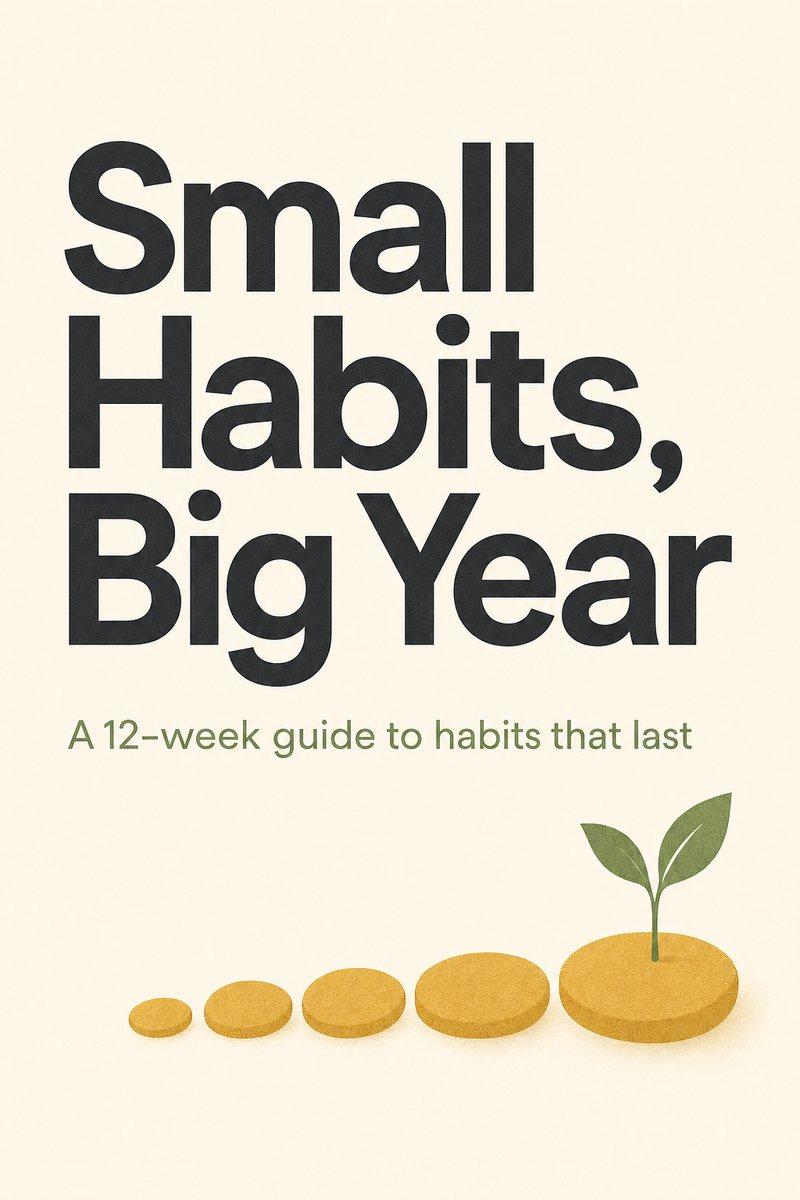
Small Habits, Big Year
A 12-week guide to habits that last
A short, practical self-help ebook: pick one tiny habit, tie it to something you already do, and grow it for twelve weeks without relying on willpower.
- 6 chapters planned
- Only chapter 1 written
- Chapter 1: about 5 min read
- English
The whole of chapter 1, free. Turn the pages with the arrows, your keyboard or a swipe, or download it as a 6 × 9 in sample PDF with the cover, contents and chapter 1. Free-plan PDFs also carry a small BookBee mark.
Chapter
1
Why Small Beats Big
Every January, many of us make the same promise in slightly different words. Run every morning. Read a book a week. Stop scrolling after ten. Learn Spanish. By the second week of February, a lot of those promises have quietly gone back in the drawer.
It is tempting to blame that on weak willpower. It is also wrong. The people who give up are not lazier than the people who keep going. They simply started with a plan that only works on good days, and most days are not good days.
This book is about building habits that work on ordinary days: the tired ones, the busy ones, the ones where the kids are ill and the train is late. The method is simple enough to fit on a sticky note. Start smaller than feels useful, and let time do the heavy lifting.
The problem with big starts
A big start feels good. Signing up for the gym, buying new trainers and planning five sessions a week gives you a rush of progress before you have done anything at all. That rush is the problem. It is borrowed from the future, and the future has to pay it back.
Big starts fail for three predictable reasons:
- They depend on energy. A forty-minute workout needs a good night’s sleep, a free evening and a decent mood. Take away any one of those and the habit is the first thing to go.
- They make missing expensive. If the plan is five sessions a week, missing two feels like failing the whole week. Most people respond to that feeling by abandoning the plan.
- They hide the real work. The hard part of a habit is not the effort on day one. It is showing up on day forty, when nothing feels new any more.
None of these has anything to do with how much you want the result. They are design problems, and design problems can be fixed.
What small actually means
When this book says small, it means smaller than you think is worth doing. Not twenty minutes of reading, but one page. Not a run, but putting your trainers on and stepping outside the front door. Not a tidy house, but clearing one surface before bed.
Most people resist this. One page feels pointless. But the goal of the first weeks is not the result. The goal is to become someone who does this thing every day, even on the worst day. Once that is true, growing the habit is easy. Until it is true, nothing else matters.
Why small adds up
Small habits have a quiet advantage: they survive. A habit that survives for a year beats an impressive habit that lasts three weeks, every time.
Take reading. One page a day sounds like nothing, but once you have read one page, it is easy to keep going for a few more. Even if you never read more than one page, that is a full-length book every year or so. Ten pages a day is about ten books a year.
The same thing happens with exercise, saving, writing and learning. The small version keeps the habit alive long enough for it to grow on its own. You do not have to force the growth. You only have to protect the streak.
What it looks like in real life
Picture someone who has tried to start running four times. Each attempt began the same way: a training plan from the internet, three runs in the first week, two in the second, and then a busy fortnight that ended the whole thing. Each restart felt harder than the last, because each one came with the memory of quitting.
Now picture the fifth attempt done differently. The habit is not running. The habit is putting on running shoes after the morning coffee and walking to the end of the street. That is all. Some days it stays a walk to the corner and back. Most days, once the shoes are on and the door is open, it becomes a short jog. On the worst days it takes ninety seconds, but it still counts.
Six weeks later, this person has not missed a single day. They are not yet fit, but they have something they never had before: proof. Proof that they are someone who goes out every morning. From there, adding distance is a small decision, not a heroic one.
Three myths that keep people stuck
- “I need more motivation.” Motivation comes and goes, often within the same afternoon. A good habit is designed to work when motivation is missing.
- “If it’s easy, it doesn’t count.” The easy version is the foundation. Nobody judges a house by how impressive its foundations look.
- “I’ve failed before, so I’m bad at habits.” You were using a method that makes failing easy. That says something about the method, not about you.
If any of these sound familiar, notice them, and then set them aside for the length of this book. You will have plenty of chances to test them against your own results.
The three rules of this book
Everything in the chapters that follow comes back to three rules. Keep them in mind and you can adapt the method to any habit you choose.
- Make it tiny. Start with a version so small it feels almost silly.
- Make it automatic. Link it to something you already do every day, so you never have to remember it.
- Make it forgiving. Plan for missed days in advance, so one bad day never becomes a bad month.
Chapter 2 helps you choose one habit and shrink it properly. Chapter 3 shows you how to attach it to your existing routine. Chapter 4 covers tracking, Chapter 5 deals with the days you miss, and Chapter 6 turns everything into a twelve-week plan you can start on Monday.
Before you turn the page
Pick up a pen. Not your phone, a pen. Answer these three questions in the margin or on a scrap of paper:
- Which habit have you started and stopped more than once?
- What did the first day of that habit look like?
- What is the smallest possible version of it you could do tomorrow?
Keep your answers. You will need them in the next chapter, where we turn that smallest version into a habit with a start date, a trigger and a plan for the days that go wrong.
Page 1 of 5
The plan
- 1.Why Small Beats BigFree to read
- 2.Pick One Habit, Then Shrink ItPlanned
- 3.Build the Trigger, Not the WillpowerPlanned
- 4.Track It Without Making It a ChorePlanned
- 5.When You Miss a Day (You Will)Planned
- 6.Your 12-Week PlanPlanned
About this book
Small Habits, Big Year is a how-to ebook for people who have started over too many times. It skips the motivation speeches and gives readers one method: start smaller than feels useful, link the habit to a moment that already happens every day, and track it in a way that survives a bad week.
A book like this could be sold on Amazon KDP, which asks you to declare AI text, given away as a lead magnet, or used to support a coaching programme. The plan has six focused chapters, worksheets and a 12-week plan at the end.
A sample book. It was written as an example, not by the app, to show the kind of book BookBee aims to make. Only chapter 1 exists, and it is shorter than the 2,000+ words the app aims for. The cover was made with AI at higher quality and hand-picked, so yours may look different. The tip boxes, numbered lists and parts here were set by hand. A guide from the app has subheadings and bullet lists.
More sample books
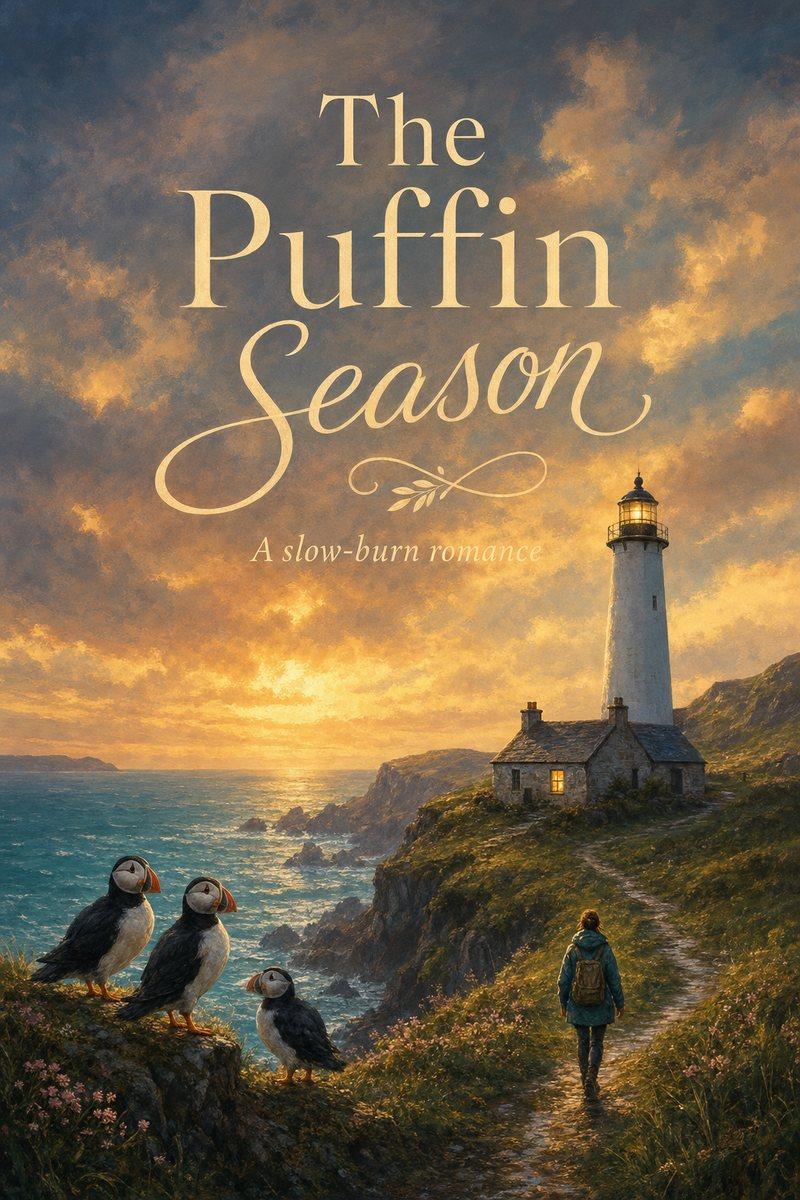
- The Puffin SeasonRomance · 5 chapters
- Tea at the Edge of the WorldShort stories · 6 stories

- The Last Lit WindowMystery · 5 chapters

- Twelve Minutes to ViennaThriller · 6 chapters

- The Glass CitadelFantasy · 6 chapters

- The Long Quiet Between StarsSci-fi · 5 chapters

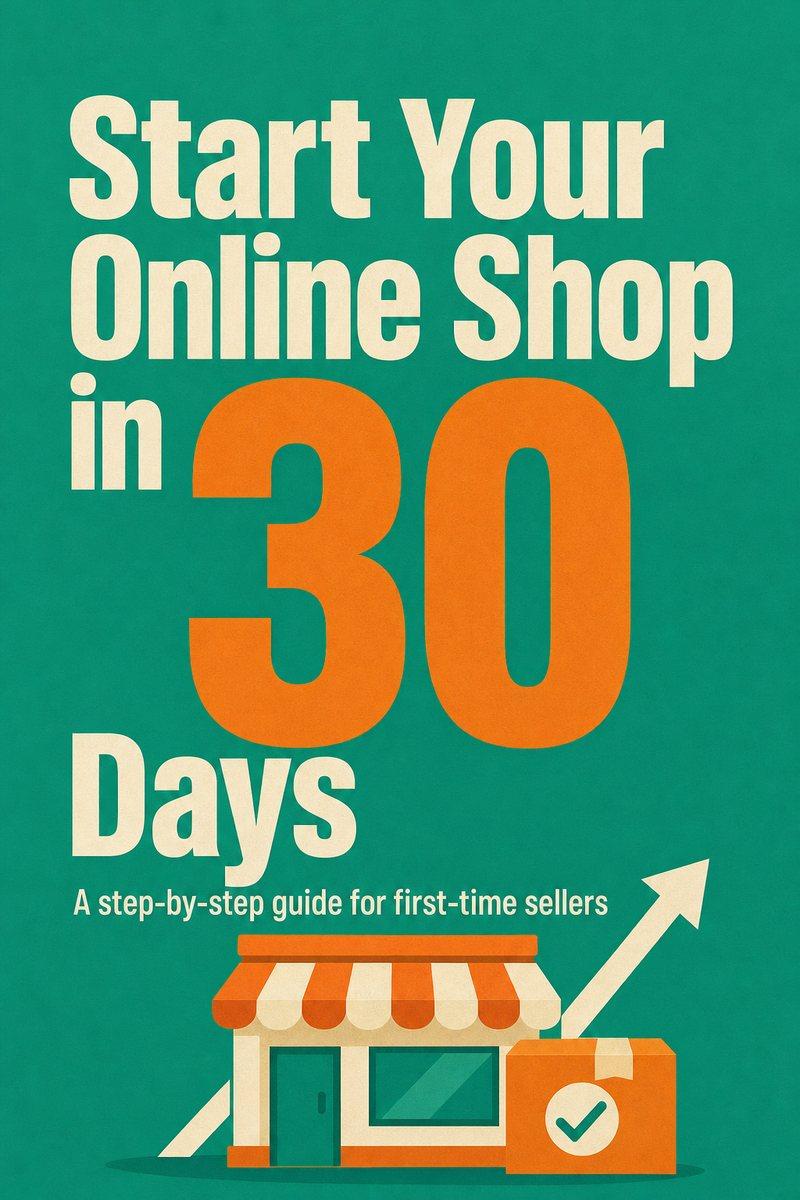
- Start Your Online Shop in 30 DaysBusiness ebook · 7 chapters
Have an idea for a book like this?
Describe it in one line. BookBee plans the chapters for you to approve, writes them, follows your style if you paste a sample, and helps you make a cover.